
The 3rd quarter always feels like the shortest quarter of the year, and this one has been no exception. The team has been traveling all around the US and world for work (and some fun!) and there’s more to come.
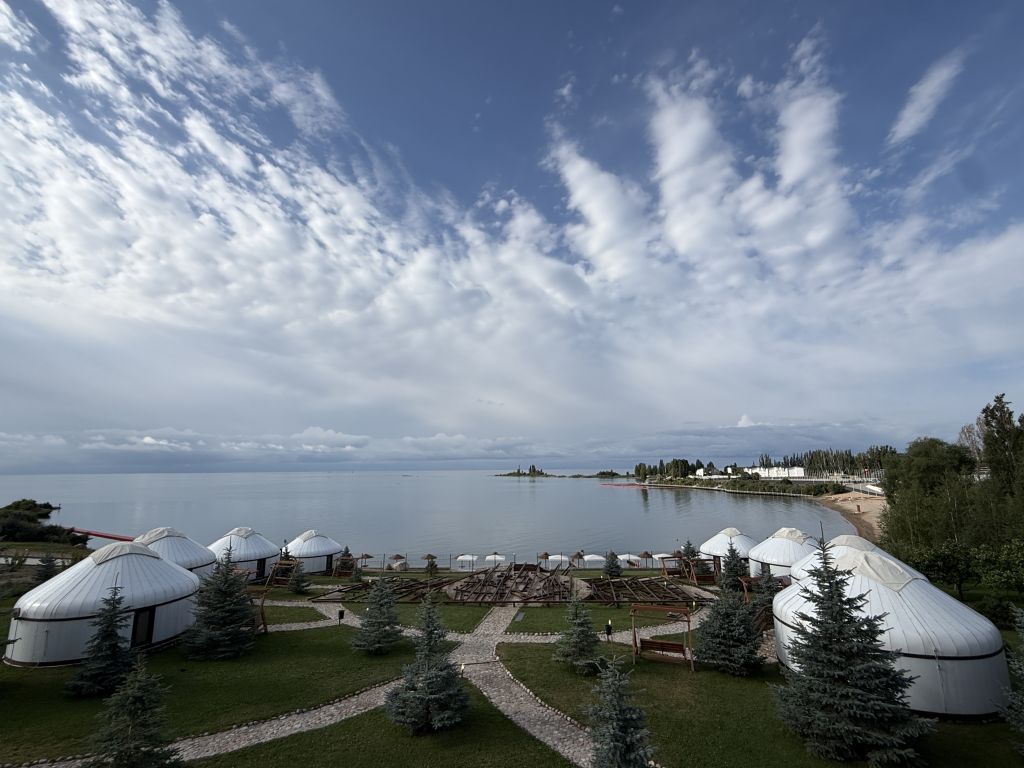
While presenting at a workshop at beautiful Lake Issyk Kul, I had the chance to reflect on what we’ve learned from past projects and how we’ve taken those lessons forward. Sharing those stories with the group generated some of the most engaged and meaningful conversations I’ve experienced – a PowerPoint presentation on work accomplishments turned into a lively conversation about engaging governments, discovering creative solutions to problems, and challenging each other to develop deeper connections with stakeholders to ensure projects are successful in the long term. It’s a moment I’ll carry with me for some time.
I walked away from Issyk Kul grateful for the beauty of the place, of course. But more for the individuals we joined there who work every day to make environments in their countries safer for children and families. For the small-but-mighty team of TIFO staff and volunteers who show up for others. For all the possibilities to come.
Speaking of things to come – our annual celebration is around the corner, we have a new community outreach event launching in October, new team members, and loads of project updates below. Thank you, as always, for being part of these stories.
Warmly,
Casey
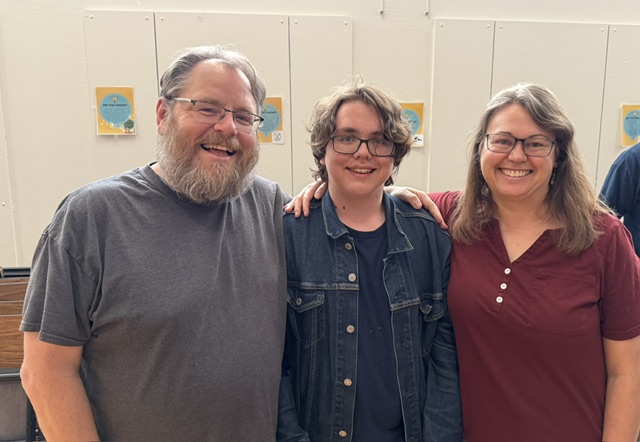
Welcome: Kristie Lawrence
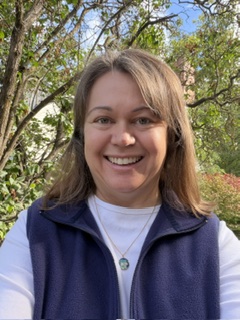
Hi Everyone! My name is Kristie, and I’m so excited to join the TIFO family as the new Operations and Outreach Coordinator. This new role represents much more to me than just a job – it is an opportunity to use 25+ years of business experience to do meaningful and fulfilling work for an organization I have huge respect for.
My educational and professional background is primarily in accounting, but I’ve always been drawn to more than just numbers, and my joy is helping organizations run smoothly and efficiently.
I’ve called Moscow, ID home for 9 years now along with my husband, teenage son and our 2 crazy little dogs. I hold a B.S. in Business Administration from the University of California at Riverside, plus a few random classes at the University of Idaho. Outside of work and other adulting responsibilities, I enjoy eating things with sugar, reading historical fiction and fantasy novels, and trying to keep my garden alive. My future goals include traveling outside the US at least once every year and seeing more of our big, awesome world.
I’m grateful to Casey, Margrit and Ian for giving me this opportunity. I look forward to learning everything I can about TIFO’s projects, both locally and globally, and being able to share that work with supporters, partners and friends everywhere.
The date was April 10, 2026. The presentation was at 5 a.m. Pacific time, which meant Sandra Spearman was on a video call before sunrise, talking to colleagues on the other side of the world. The topic was lead. A significant finding was that bone lead exposure, the lead absorbed in childhood and released slowly back into the bloodstream decades later, is the fifth-ranking risk factor for death worldwide. Ahead of smoking. Ahead of most causes people typically think about.
Today, Sandra works at the Institute for Health Metrics and Evaluation (IHME), a University of Washington–based research organization. The maps on her screen five years ago looked very different.
Then, she was a master’s student at the University of Idaho, with no clear plan. Within weeks of her arrival in Moscow, she went to a 50th-anniversary dinner for the College of Natural Resources. The keynote was delivered by Dr. Casey Bartrem, executive director of TerraGraphics International Foundation (TIFO).
Casey spoke about TIFO’s work in Nigeria, where the foundation had helped a community remediate a catastrophic lead poisoning crisis born of artisanal gold mining.
“That’s what I want to do,” Sandra remembers thinking. “That was my light bulb moment.”
What followed was a TIFO education conducted alongside her actual graduate education. Sandra joined TIFO’s project in Kyrgyzstan, studying mercury exposure in mining-impacted communities — first mapping sampling sites in QGIS, then helping write protocols, developing surveys, and sitting in on international planning calls with Doctors Without Borders. Everything culminated with a trip to Kyrgyzstan to put all that planning into action.
“All I really had was R code,” she says. “Just technical skills. They took a very big leap with me.”
By the end of her master’s, she had been trained by three people in three distinct ways. From Casey, she polished her writing. From Casey and TIFO co-founder Dr. Margrit von Braun, she enhanced her public speaking skills. From co-founder Dr. Ian von Lindern, she honed her math. Of lasting impact was a question from Margrit that has stayed with her longest: “Why am I doing this?”
Four and a half years into her role at IHME, Sandra’s work is part of the same system as TIFO’s field work. Grant funders, ministries of health, and the organizations delivering remediation all need numbers, and IHME’s modeling closes the gap.
What she remembers from Kyrgyzstan, though, is not the methodology. It is the people.
“These people are not just numbers on a page,” she says. “When they report ‘these many deaths due to lead poisoning,’ they’re not just numbers. These are people. These are their lives.”
The communities Casey discussed at that anniversary dinner are part of the data. So are the communities in Kyrgyzstan that Sandra visited as a graduate student. So are millions of others she has never seen, in countries she has never been.
But they are not and never will be just numbers on a page.
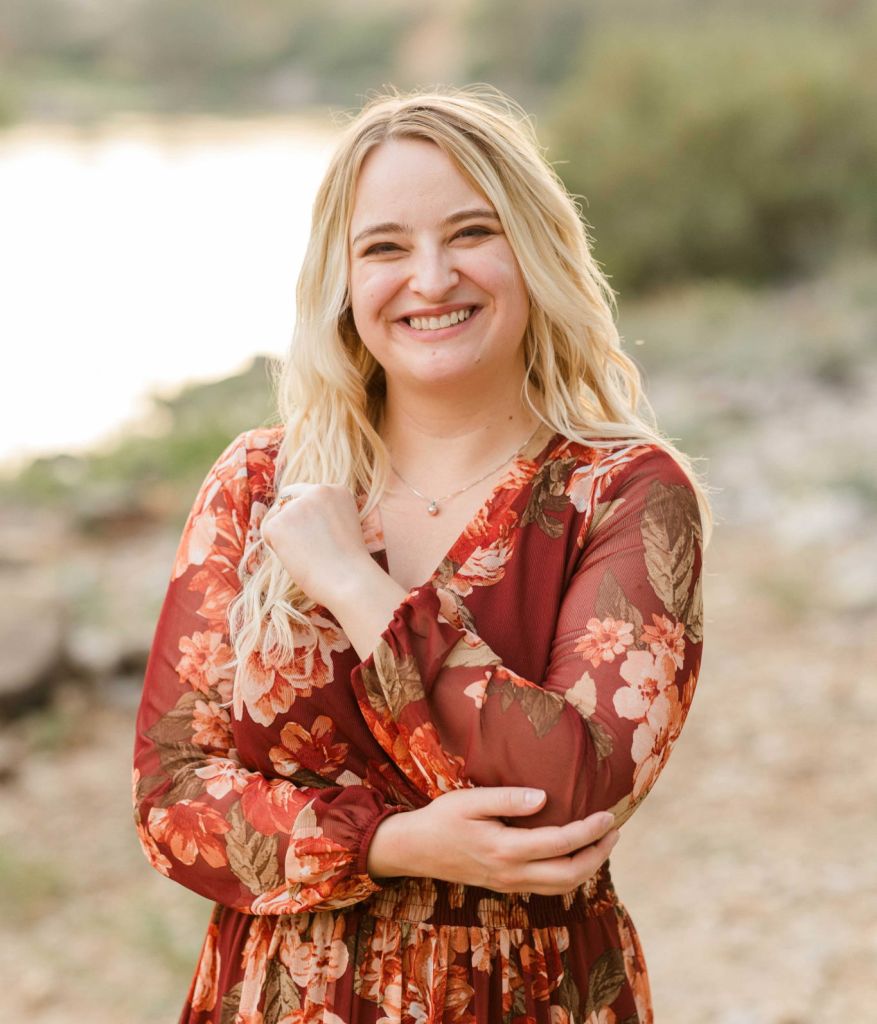
Sandra Spearman
In early August, Bryn Thoms, TIFO volunteer, and Casey Bartrem traveled to Kazakhstan to continue field work for the Partnership for Environmental Health (PEH). This year’s field work is a continuation from last year’s assessment of lead contamination in the city of Shymkent, where TIFO has partnered with the Environmental Health and Pollution Management Institute (EHPMI) and the Human Health Institute. This year’s work was conducted in the lead mining and processing districts of northeast Kazakhstan, including the cities of Oskemen, Ridder, and Altai. These cities continue to be impacted by mining and metal extraction and production, which started in the Soviet era and continues today. Although the cities are contaminated with several heavy metals, lead and arsenic are the most concerning and were the focus of our efforts in August.
TIFO and EHPMI members met with local government staff to discuss their concerns and the extent of monitoring efforts by the agencies, and to bring awareness to the problem and coordinate a potential response to the contamination.
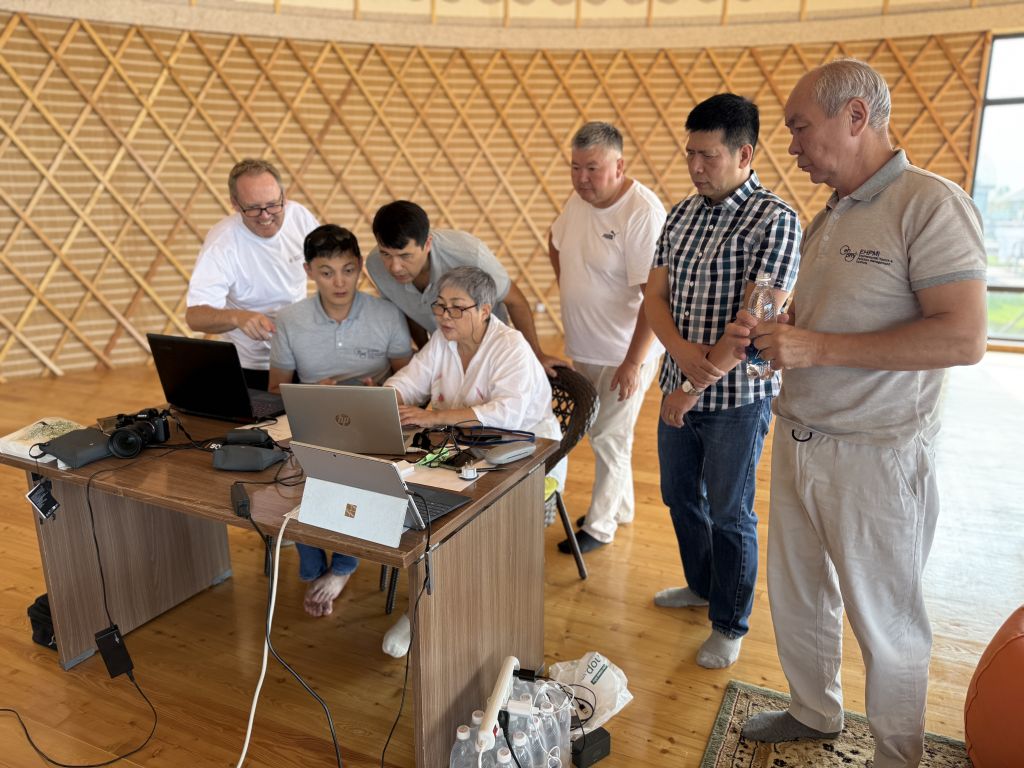
After completing fieldwork in northeast Kazakhstan, Casey and Bryn traveled to Kyrgyzstan for the EHPMI Annual Workshop. The group was hosted by ECOIS Bishkek, who put Kyrgyz hospitality on full throttle! We spent a night in Bishkek before traveling to Lake Issyk Kul nestled in the mountains of eastern Kyrgyzstan. This was an excellent opportunity for TIFO and the other organizations to share stories from their respective projects and to continue to build inter-organization relationships to create future opportunities to support each other’s projects. We had robust discussions about many topics, including how to most respectfully and effectively engage with government partners in our work. And of course the common sentiment was about how environmental health work in Central Asia is simultaneously desperately needed and woefully unaddressed. As Bryn noted “This area of the world struggles with these issues just like the rest of us, albeit on a more severe scale, but we’re all in the same boat.”
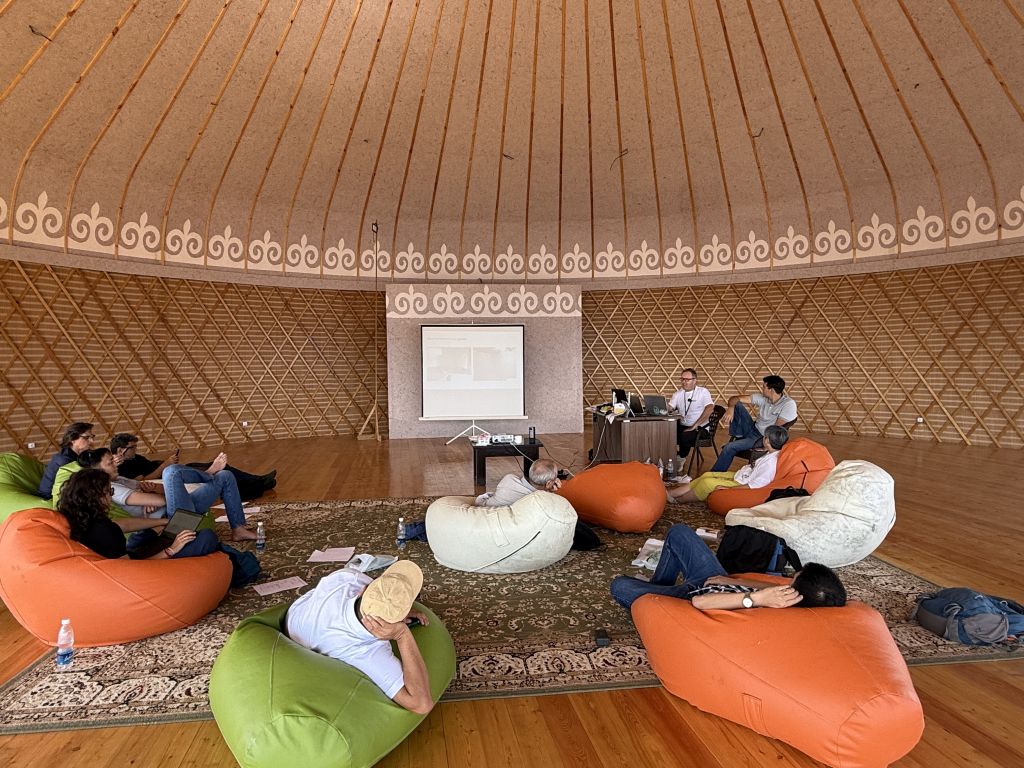
The workshop had representation by individuals and organizations from Georgia, Azerbaijan, Kyrgyzstan, Kazakhstan, Mongolia, Vietnam, Russia, and USA. We’d be hard pressed to tell you our favorite part of the workshop, but viewing PowerPoint presentations from bean bag chairs in a yurt is definitely on the list.
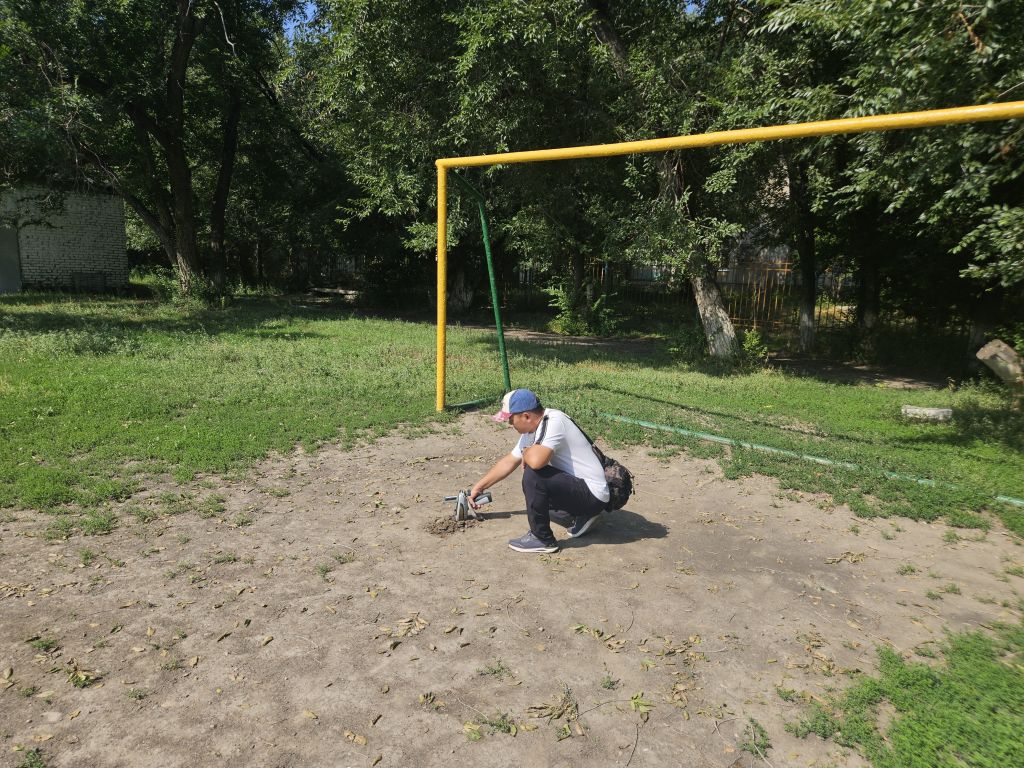
TIFO volunteer Bryn Thoms tests soil for heavy metals in a playground in Eastern Kazakhstan.
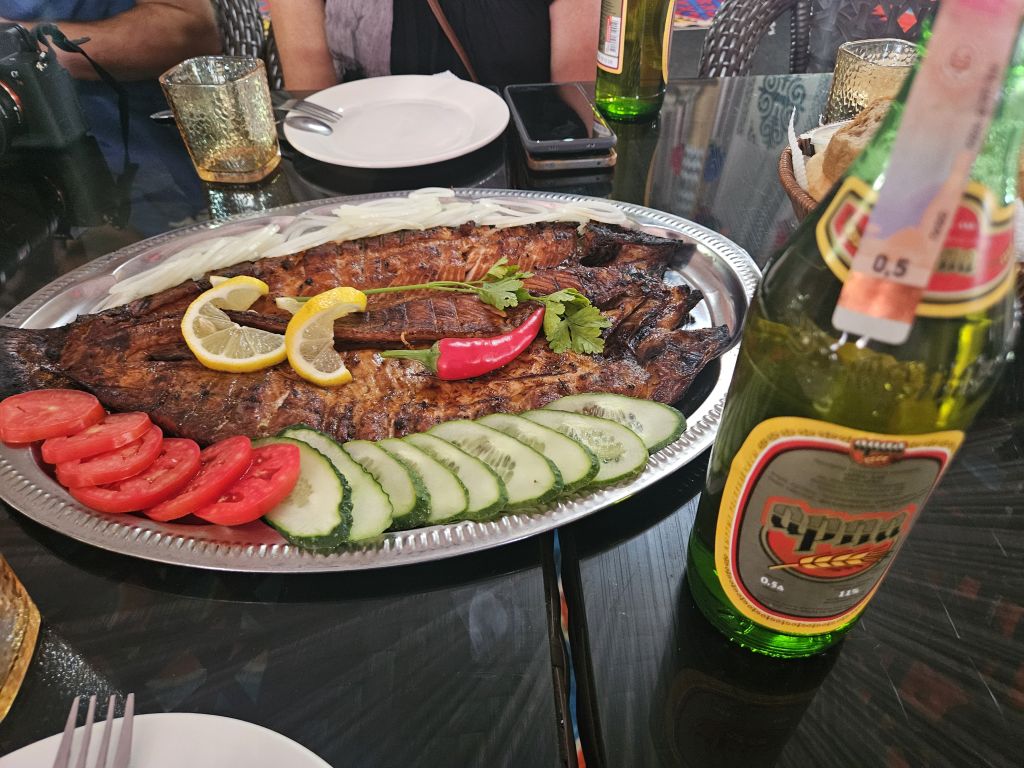
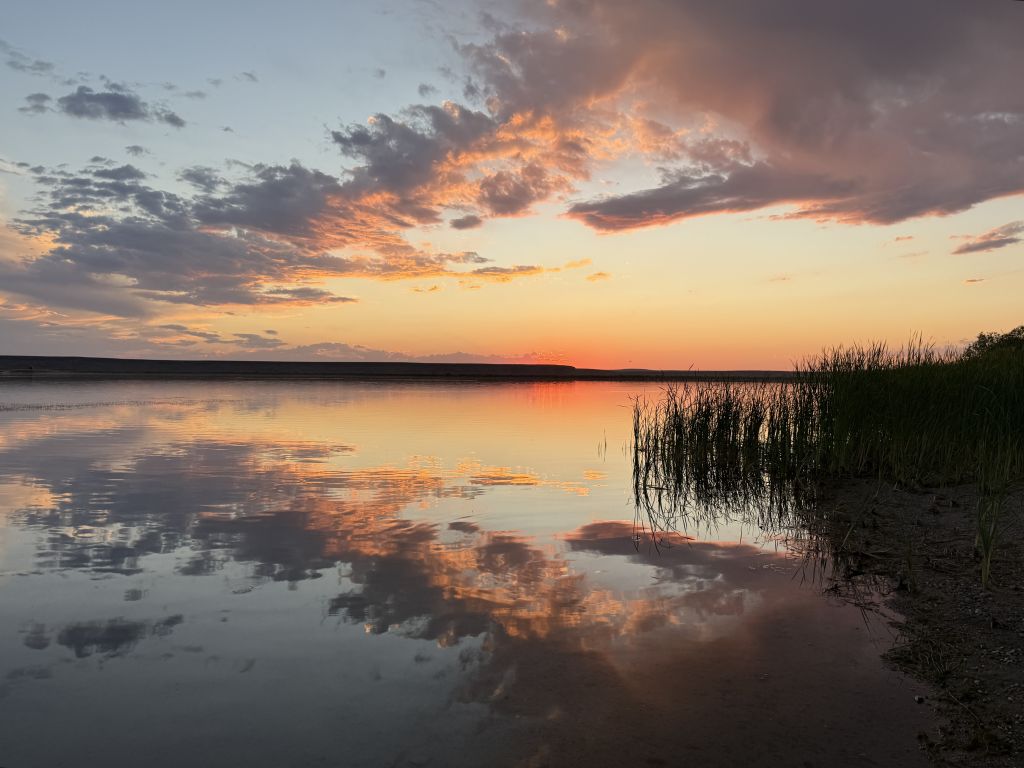
Central Asian hospitality is no joke! Just one of many wonderful meals we enjoyed, this one a fresh fish feast on the shores of Lake Issyk Kul.
Presentations in style and comfort! Who knew you could use bean bag chairs for a conference?
When our 3-year grant from EPA was terminated in 2025 during year 1, our partners in Duck Valley gave us clear directions: find other ways to achieve our project goals.
Message received. TIFO donors kept the project funded while Whitney (former Communications and Media Specialist) and Casey continued to travel to Owyhee to work with partners at the Tribal Environmental Protection Program, the Owyhee Combined School, and the Tribal Fish and Game Department. We also applied for multiple grants to replace funding lost, and this spring we received an award from Philanthropy Northwest’s Thriving Communities program. This award will help us continue supporting the Tribes to increase their ability to determine when and how mining happens on their historic lands.
In July, we met with stakeholders from different Tribal government agencies to ask them about their needs when it comes to commenting on proposed mines. We’ll use that feedback to draft training programs, discuss ideas further with leadership, and deliver the trainings in the spring of 2027.
The laws are clear: everyone has a legal right to give feedback about proposed mines on public lands, and Tribes have an additional and vital role to play in highlighting potential risks and benefits when it comes to mining. What isn’t so simple is navigating the complexities of the process, wading through the lengthy proposals, and figuring out how to give feedback that federal agencies will listen to. Our project aims to identify opportunities within the community and Tribal government to reduce those barriers.
Sierra Brantz, TIFO’s Environmental Health Scientist Project Manager, joined this important research effort in January 2026, working alongside two law students and Dr. Ian von Lindern, TIFO founder and Board member, to study pediatric cancer risk from environmental pollutants, specifically arsenic. They began with a local case study: the Stibnite Gold Mine located in central Idaho, where they have been tracking the permitting process and examining how air quality calculations for arsenic have been interpreted, along with the policy framework behind those calculations. “This gave me the opportunity to expand my knowledge in the law and litigation world thanks to the law students on the team, and the environmental risk from Ian,” said Sierra.
This summer, Sierra, Ian and Hanna Tait, TIFO summer intern, traveled to the Silver Valley, Idaho area. Together they met with Jerry Cobb, a previous Environmental Health Supervisor and program manager for the Institutional Controls Program at the Panhandle Health District, to learn about his work cataloging the Bunker Hill Superfund Site and remediation efforts, and to connect that history to their current research on pediatric cancer risk.
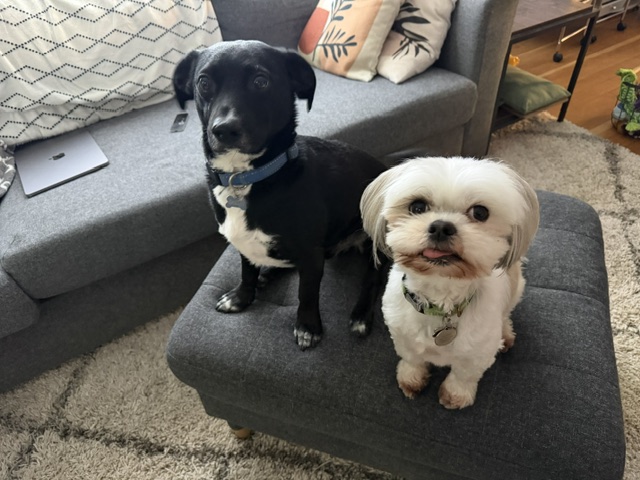
Back in Moscow, with the best office dogs for company, Sierra had the chance to expand on the Bunker Hill story. She did a high-level review of more than 100 boxes of paperwork generated by the Bunker Hill Superfund site, an experience that underscored two opportunities we have: 1.) to archive that history (some is already being done by Jerry), and 2.) to bring relevant pieces of it into the work we do today, so that lessons learned help protect children’s health now and in the future.
The scope has since expanded into a national policy tracking project, which Sierra and Ian will be presenting at the Collegium Ramazzini next month. The team has been hard at work cataloging policy changes, executive orders, and regulatory rollback actions taken by the federal government since January 2025, and examining their specific implications for pediatric cancer risk in Idaho. They chose to center this work on pediatric cancer for two reasons: it is a leading cause of death among children worldwide, and it plays a direct role in setting regulatory reference doses for chemicals in developing children. This is crucial as children are more susceptible to carcinogens than adults. This is only the start of where this work can go, and we are excited to get feedback from Collegium Ramazzini and its attending participants at the upcoming conference and meeting.
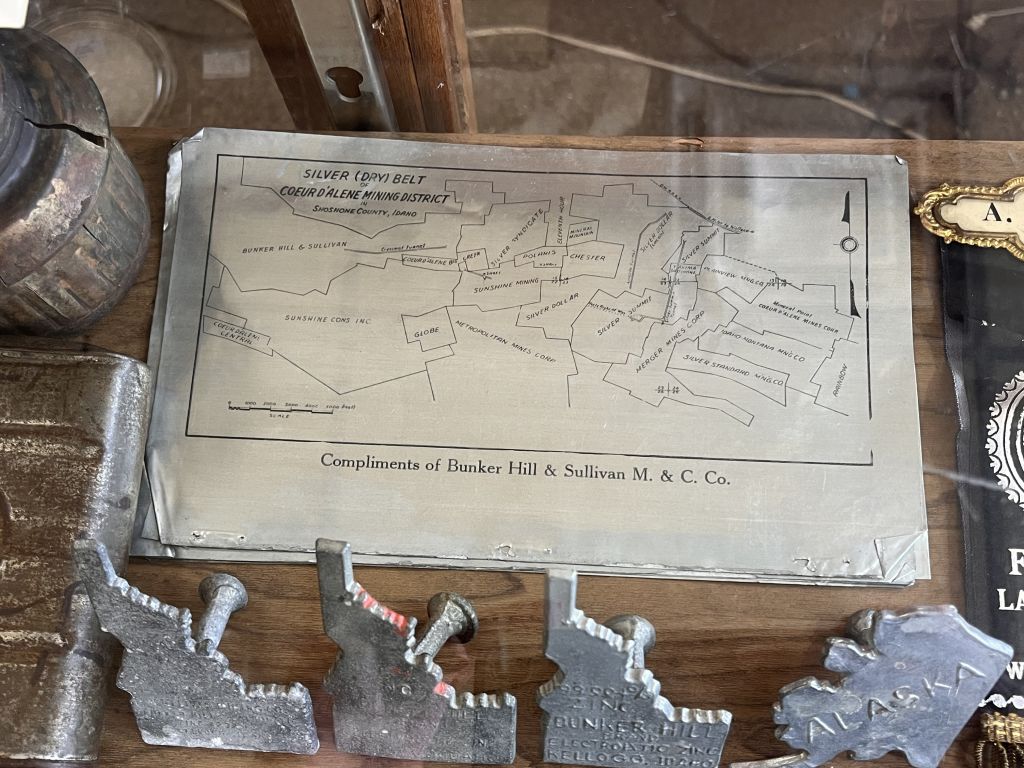
Found at an antique shop in the Silver Valley: an image of the Bunker Hill Mine map and zinc castings made from mined ore at Bunker Hill.
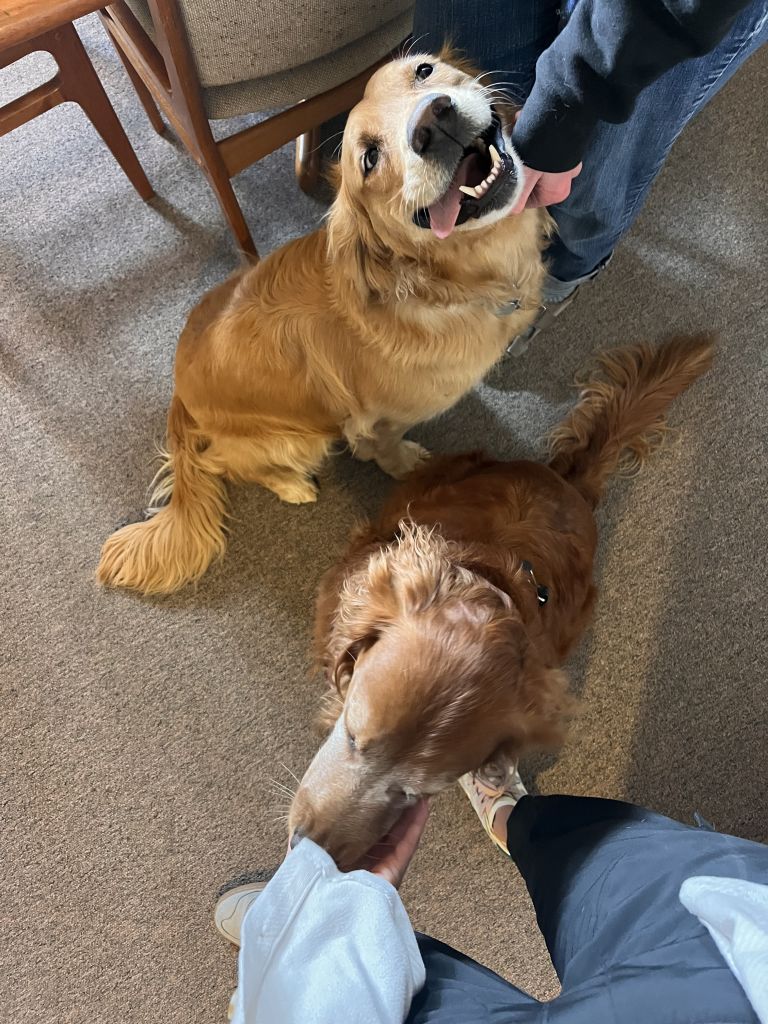
Biscuit and Islay, the best office dogs
Only 2% of philanthropic giving goes to environmental organizations like TIFO. That’s why the annual Earth Gives event is so important to so many nonprofits doing this important, yet underfunded, work. From now through October 6, head to https://www.earthgives.org/organization/TerraGraphicsInternational and please donate to continue the important and life-saving work highlighted in this newsletter. Your gift is matched 2:1 – TRIPLING your impact!
Lead Xperts
October 13 4pm - 7pm
Moscow Tuesday Market
Latah County Fairgrounds
Bring your household items (dry soil, paint chips, ceramics, plastics, metal objects) to be tested for lead using our handheld XRF.
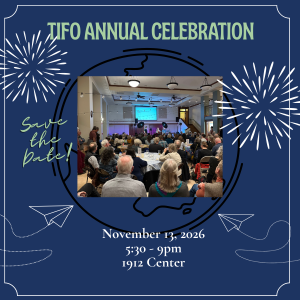
TIFO Annual Celebration
November 13 5:30pm - 9pm
1912 Center
412 E 3rd St, Moscow, ID
Join us for good food, fun raffle prizes and live music as we celebrate another amazing year of accomplishments.

Giving Tuesday
December 1, 2026
After the hustle and bustle of Thanksgiving, Black Friday and Cyber Monday, don't forget to make your final year-end tax deductible donations to your favorite nonprofits who work so hard all year long!
- TIFO helped with these assessments at several points, supporting our NGO partner EHC with XRF loans and field personnel for assessment work. Secuelas de la minería: niñez contaminada | Servindi – Servicios de Comunicación Intercultural
- The day the stacks came down: 30 years later. Coeur d’Alene Press
- Multinational companies are leaving a hidden environmental scar across Africa. Earth.com
- Legal battle over Stibnite Gold Mine continues, injunction filed with 9th Circuit. Idaho News
- BLM limits public comment on mining proposal in Owyhee. Columbia Insight
- Often, mining companies don’t work with tribes. This one is different. Opinion – Idaho Statesman
- Billionaire Rennert-controlled company settles Peru lead poisoning case for $150 million. Reuters
- Great article on how mining has cost indigenous peoples, and how the new rush for critical minerals is another chapter in that same book. This Is What the New Rush to Mine America Looks Like

